
1May 2026
Sheds for Small Acreage Properties: What to Look for
Owning a small acreage property gives you space to work, store equipment, and build a lifestyle that suits you. But without the right setup, that extra space can quickly become harder to manage.
A well-designed rural shed helps bring structure to your property. It gives you a place to store machinery, protect tools, and create a functional workspace that actually supports how you use your land.
If you are planning a shed for a small acreage, here is what to look for.
Why Small Acreage Properties Need a Purpose-Built Rural Shed
A rural shed needs to do more than a standard backyard shed.
On acreage properties, agricultural sheds are often used for multiple purposes. You might need to store tractors, trailers, tools, feed, or vehicles, while also having space to work or maintain equipment.
That means your shed needs to be durable, practical, and designed for Australian conditions.
Best Sheds focuses on custom steel sheds that are engineered for local environments, making them suitable for rural properties where strength and reliability matter.
Start With the Purpose of Your Shed
Before deciding on size or design, think about how you will use the shed.
If the main purpose is storage, you will need a garden shed with easy access, weather protection, and enough internal space to keep everything organised. If you are planning a workshop shed, you may need ventilation, lighting, and room to move comfortably.
Many small acreage sheds end up being multi-purpose. One area might be used for machinery, another for tools, and another for general storage. Planning this early will help you avoid running out of space or dealing with a layout that does not work.
Choose the Right Size for Your Property
One of the most common mistakes when building a small shed is choosing a size that is too small.
It is worth planning for more space than you currently need. Over time, equipment changes and storage needs grow, especially on acreage properties.
Think about:
- The size of your current equipment
- Future storage needs
- Vehicle and machinery clearance
- Door height and width
- Space to move inside the shed
Best Sheds offers customisable designs, so you are not limited to standard dimensions. This makes it easier to design a shed that fits your property properly.
Think Carefully About Access
Access plays a big role in how usable your shed is.
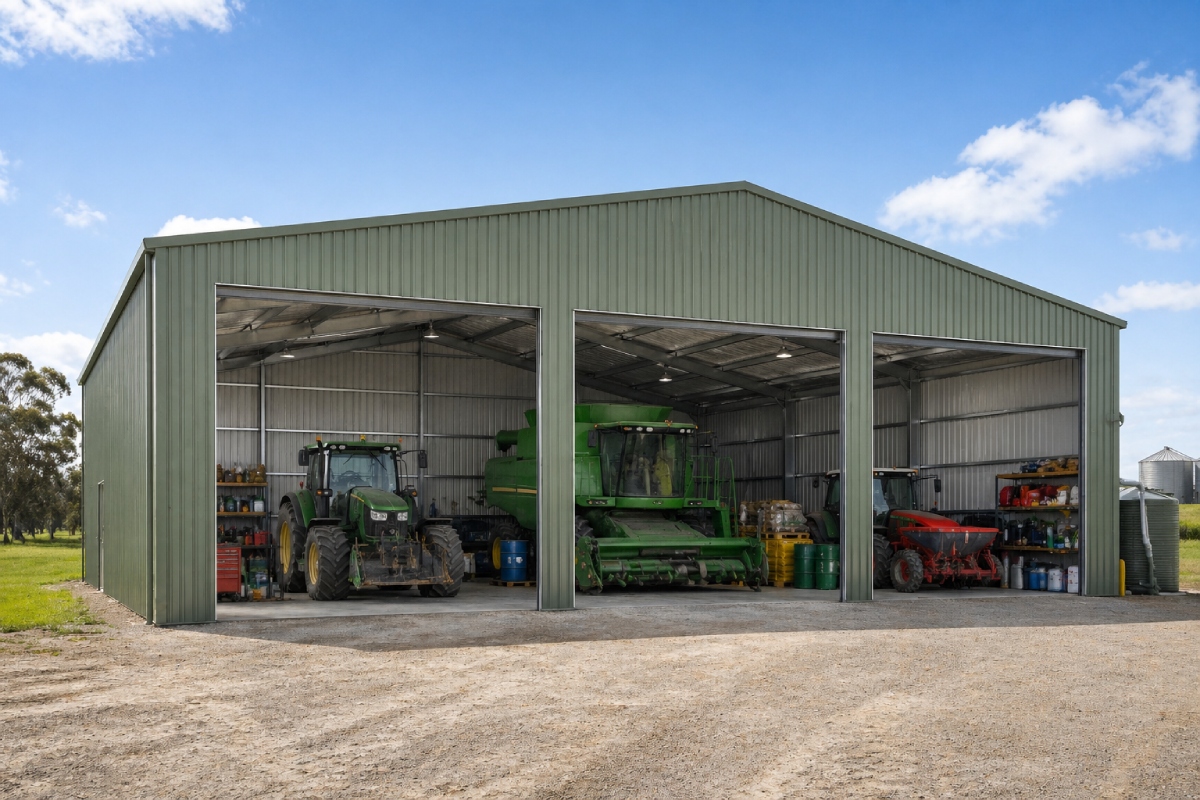
If you need to drive vehicles, trailers, or machinery into the shed, you will need wide openings and enough clearance. Roller doors, sliding doors, and open bays can all improve usability depending on your setup.
You should also think about how the shed connects to the rest of your property. Consider the location of driveways, gates, paddocks, and work areas. A well-positioned shed will save time and make daily tasks easier.
Look for a Design That Suits Rural Use
Different shed designs suit different needs.
Open bay sheds are ideal for quick access and storing machinery. Fully enclosed sheds are better for secure storage, workshops, and protecting equipment from the weather. Some acreage owners choose a combination of both for added flexibility.
Best Sheds specialises in custom steel shed designs, which means you can tailor the layout, number of bays, and access points to suit your property rather than trying to fit into a fixed design.
Choose Materials Built for Australian Conditions
Material choice has a direct impact on how long your shed will last.
Steel is the preferred option for rural sheds because it is strong, durable, and low maintenance. It handles harsh sun, heavy rain, and strong winds better than most alternatives.
Best Sheds uses Australian steel and designs sheds to meet local wind ratings and engineering standards. This is important for both compliance and long-term performance.
Consider Site Placement, Drainage, and Foundations
Where you place your shed is just as important as the shed itself.
Choose a location that allows easy access for vehicles and fits naturally into your workflow. Avoid areas where water collects, and make sure the site has proper drainage.
A solid foundation is essential. Poor site preparation can lead to structural issues over time, so it is worth getting this right from the beginning.
Check Council Requirements Early
Before building a rural shed, you will need to check local council regulations.
These may include:
- Setback requirements
- Height limits
- Zoning rules
- Approval processes
Working with experienced rural shed builders helps simplify this process, as they can provide engineered designs that meet local requirements.
Key Features to Include in a Rural Shed
The right features can make your shed far more functional.
Consider including:
- Ventilation to improve airflow
- Multiple access points for convenience
- Insulation if you plan to use the shed regularly
- Lighting and power for tools and equipment
- Custom additions such as skylights or internal sections
These features help turn a basic shed into a practical working space.
Why Work With Experienced Rural Shed Builders
A rural shed needs to be designed around your property, not the other way around.
Working with experienced rural shed builders allows you to create a shed that suits your land, your equipment, and how you plan to use the space. It also ensures the structure is properly engineered and compliant with local standards.
Best Sheds offers custom solutions for acreage properties, helping you design a shed that is practical, durable, and built for long-term use.
Get the Right Shed for Your Small Acreage Property
A well-planned rural shed can completely change how you use your property, giving you the space, access, and flexibility to manage it properly.
If you are ready to move forward, the best next step is to speak with a team that understands rural properties and can guide you through the right design for your needs.
Call Best Sheds today to discuss your project and get a tailored quote.
Whether you already have a clear idea or just need advice on where to start, our team can help you plan a shed that works for your land, your equipment, and your long-term plans.