
28Jul 2026
Farm Shed Checklist: 6 Features to Compare Before You Choose
Knowing what to look for in a farm shed isn’t always obvious, but a handful of features make or break how well it actually works day to day. Before you browse the farm shed range, it’s worth comparing these six features against your own setup rather than assuming one size fits all.
This checklist covers the features that come up again and again for farm shed buyers, from roller door sizing to insulation, so you know exactly what to compare before you decide.
The Quick Checklist
| Feature | Why It Matters | Quick Check |
|---|---|---|
| Roller Door Sizing | Determines what machinery can actually get in and out | Measure your widest and tallest equipment, then add clearance |
| Wall Height | Affects clearance for headers and large equipment | Check clearance with any attachments raised, not just at rest |
| Wind Region Rating | Confirms the shed is engineered for your site’s conditions | Check your property’s wind region before ordering |
| Insulation | Affects comfort and condensation, not just temperature | Decide if the shed is a workspace or just storage |
| Colour | Lighter colours absorb less heat | Weigh up your local climate before picking a shade |
| Lean-To Kits | Adds covered working space without a second structure | Work out if you need extra covered area now or later |
Roller Door Sizing
The roller door is the single biggest constraint on what can actually use the shed, so get this measurement right before anything else. Measure the width and height of your largest piece of machinery, including any attachments, mirrors, or implements that stick out, and add clearance on every side.
It’s easy to size the door for what you own today and forget that equipment tends to get bigger over time. If you’re planning to upgrade machinery in the next few years, size the door a little more generously now rather than working around a door that’s already too tight.
Don’t forget the approach either. A door can be wide enough on paper but still awkward to use if there isn’t enough room outside to line up a trailer or reverse in without a three-point turn every time.
Wall Height
Wall height decides how well the shed handles headers, tippers, and other tall equipment, not just how the shed looks from the outside. Measure your tallest piece of equipment with any attachments raised, then add clearance so nothing’s scraping the roof structure on the way in.
Wall height matters for storage too, not just equipment. Taller walls give you more usable space for racking or stacking, which is worth thinking about even if your current equipment doesn’t need the extra clearance yet. If a standard height doesn’t give you enough room either way, Best Sheds can customise the wall height to suit.
Wind Region Rating
Australia is divided into wind regions, and a shed engineered for one region isn’t necessarily right for another, especially in more exposed rural locations. Check your property’s wind region before ordering, since it affects how the shed is engineered rather than something you can adjust after the fact.
All of our steel exceeds Australian standards, so once your wind region is confirmed, the shed is engineered to suit your site. This matters more than it might seem on a farm, where a shed often sits in a more exposed spot than a typical suburban block, with fewer trees or buildings around it to break up strong wind.
Insulation
Insulation changes what the shed is actually comfortable to use for, especially if it’s going to double as a workspace rather than pure storage. An insulated shed stays cooler in summer and warmer in winter, and cuts down on condensation, which matters if you’re storing anything moisture-sensitive.
If the shed is purely for equipment storage, insulation matters less. But for anywhere staff will actually be working, it’s worth factoring into the decision early rather than retrofitting later.
Colour
Colour is one of the easiest features to overlook, but it has a real effect on how hot the shed gets inside. Lighter shades like Smooth Cream or Off White absorb less heat than darker options, which makes a noticeable difference in a shed that sees direct sun for most of the day.
It’s worth weighing up your climate and site orientation before settling on a shade, rather than choosing purely on appearance.
Lean-To Kits
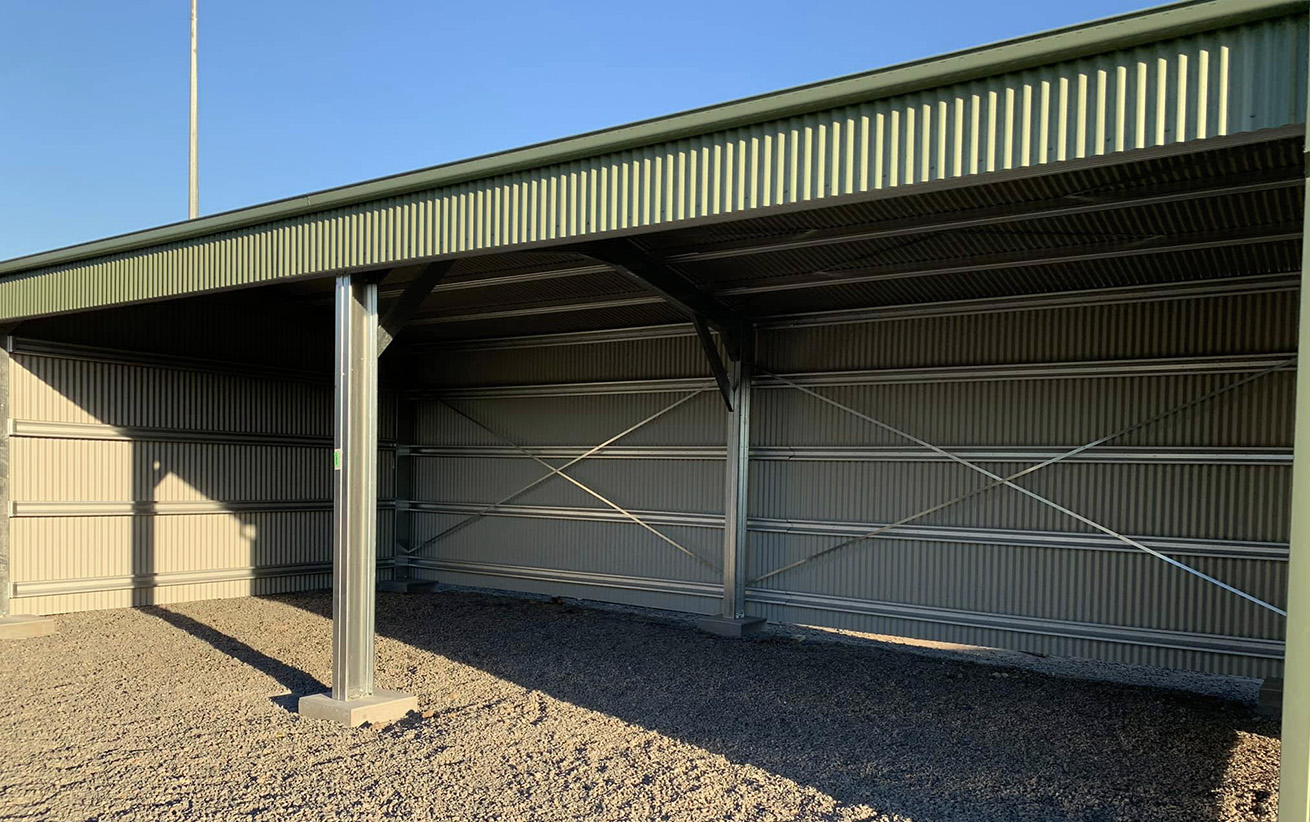
A lean-to kit adds covered working space without the cost of a second structure, which makes it a popular add-on for jobs that don’t need full enclosure, like undercover parking or an extra work bay. Lean-to kits attach to Best Sheds’ accessories range, so it’s worth deciding early whether you need this covered space from day one or might add it later.
If you’re not sure yet, leaving room on one side of the shed for a future lean-to is easier than trying to fit one in after everything else is already in place.
Which Features Matter Most for You?
Not every feature on this checklist will matter equally for your setup. A shed used purely for machinery storage has different priorities to one that doubles as a workspace, so use this checklist as a starting point and weigh each feature against how you’ll actually use the shed.
If you’re comparing a few different options, it can help to run through the checklist for each one separately rather than judging sheds on price or size alone. Two sheds can look similar on paper and still suit very different farms once you factor in door sizing, wind region, and how the space will actually be used.
Ready to compare your options? Get a free quote and talk through which of these features matter most for your property.